











 From 28 to 30 April 2026, the Marine Geology Branch in Gdańsk hosted the annual meeting of the international Working Group on the Effects of Extraction of Marine Sediments on the Marine Ecosystem (WGEXT).
The group operates under the auspices of the International Council for the Exploration of the Sea (ICES), an international organisation founded in 1902 to study marine resources in the North Atlantic and adjacent seas. The aim of the WGEXT is to collect, harmonise and evaluate data on marine sediment extraction, as well as on marine resources and habitats, changes in the legal frameworks of individual countries, and research projects relevant to assessing the environmental impacts of such extraction. A total of 21 experts took part in the meeting – 13 in person and 8 online – representing, amongst others, Spain, Denmark, the United Kingdom, the Netherlands, Belgium, France, Switzerland, Germany, and the United States.
During the meeting, participants discussed the latest data and issues associated with the extraction of aggregate from the maritime areas of the group’s member states. They presented national trends in extraction and discussed the differences in legislation across the various countries. A key focus of the discussions was the monitoring of the marine environment and cooperation with the OSPAR and HELCOM organisations.
A significant part of the discussion was also devoted to issues of deep-sea mining, seabed infrastructure, and maritime spatial planning. Participants also worked on topics to be included in the mandatory report, prepared every three years, for the ICES. During the meeting, an update was provided on the OR ELSE project concerning the development of operational recommendations for large-scale sand extraction based on an ecosystem approach.
Presented also results of research into the evolution of extraction areas on the Flemish banks based on multitemporal data, as well as the impact of sand extraction on the functioning of food webs – from bacteria to fish. Discussions covered the responses of sand banks under conditions of sediment deficit as part of the BANX project, and the implementation of a new EMS system in Belgium.
Participants were also briefed on the latest developments in the United Nations Environment Programme (UNEP)’s work on dredging and the extraction of marine sand, as well as on a report on sand and sustainable development and the lessons learnt from projects implemented around the world.
An integral part of the event was a field trip to Westerplatte. Participants were given an overview of the geological structure of the area, its historical background and the distinctive features of the coastline observed from the viewing terrace of the Westerplatte Museum.
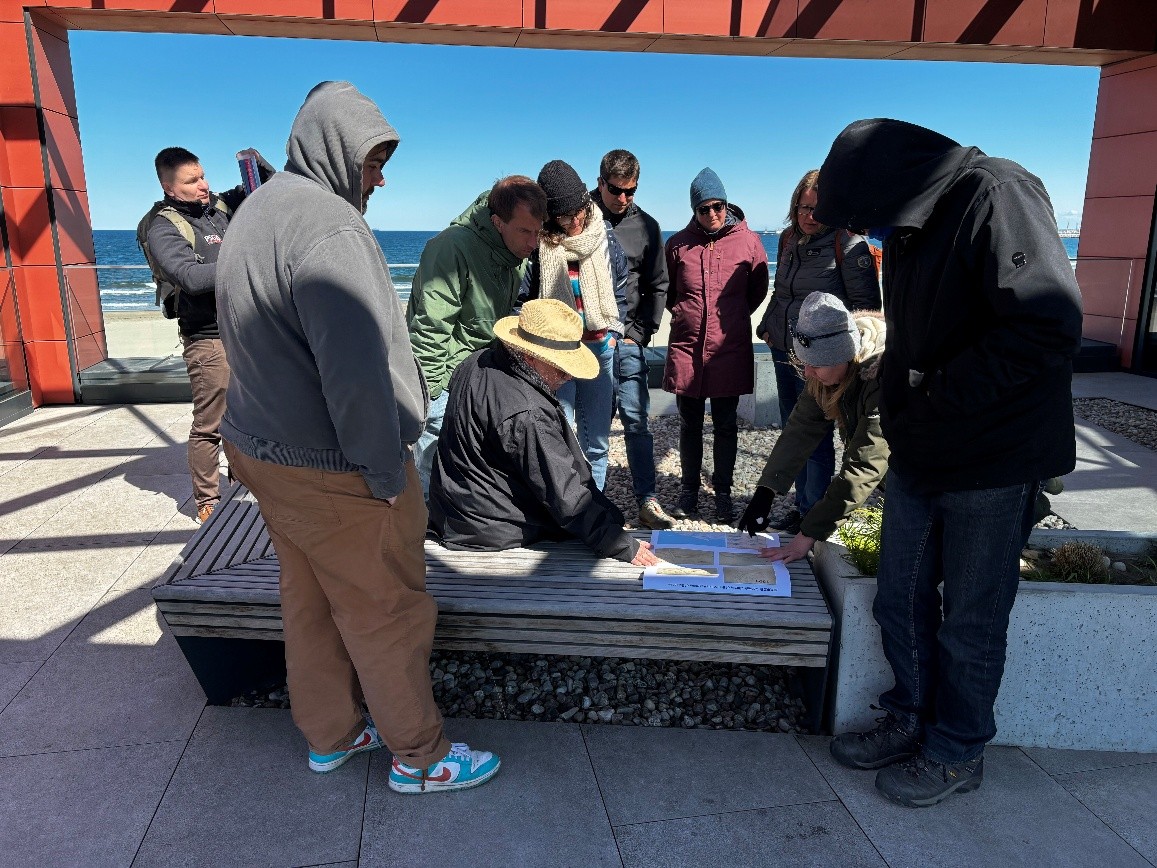
Field trip participants
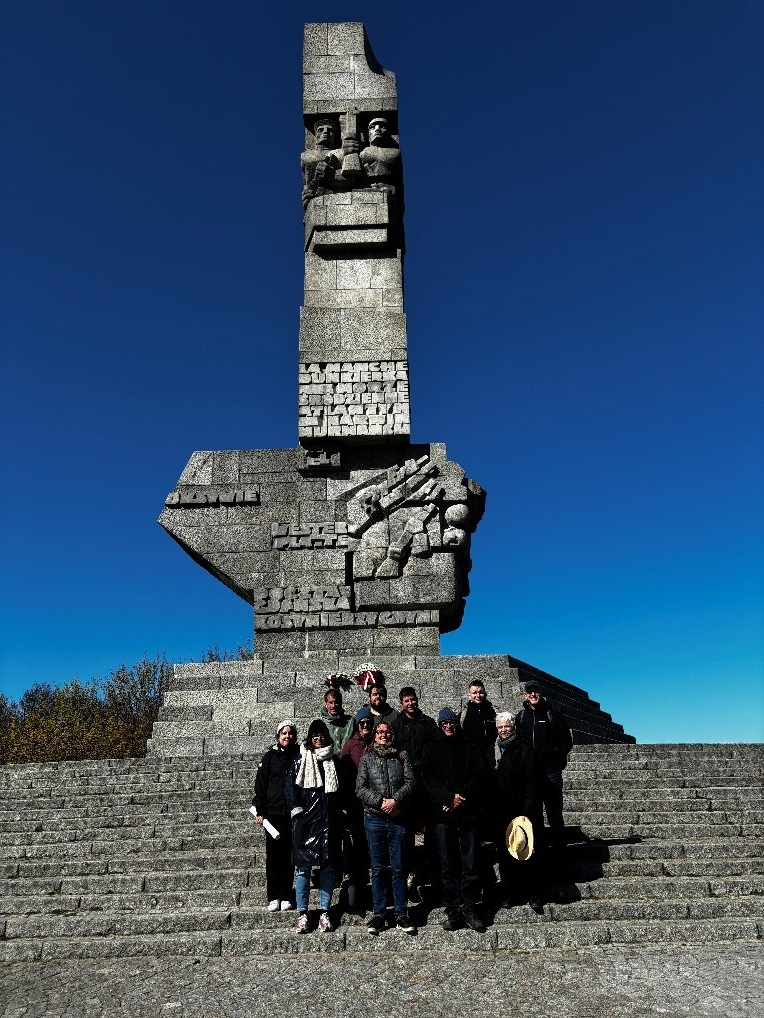
Field trip participants
Text: Kamila Wirkus
 PGI-NRI offer
 Mineral resources of Poland
  Oil and Gas in Poland


 Subscribe to RSS Feed